The iGaming Edge: How Smart Players Approach Casino, Betting, Slots & Poker
You’ve seen the flashy ads, the bonus banners screaming “free spins,” and the Twitch streamers turning $50 into $5,000 on slots. But beneath the neon lies a simple truth: iGaming is not a get-rich-quick scheme—it’s an entertainment product with a house edge. The players who actually enjoy it long-term aren’t the ones chasing losses; they’re the ones who treat it like a night out, set limits, and understand the mechanics. Whether you’re spinning reels, betting on the Premier League, or grinding poker micro-stakes, the difference between frustration and fun comes down to knowledge and discipline. Let’s cut through the noise and look at how smart players navigate the iGaming landscape.
Casino Games: Know Your RTP and Volatility
Not all casino games are created equal. The first stat any informed player checks is Return to Player (RTP)—the theoretical percentage of all wagered money a game pays back over millions of spins. A 96% RTP slot returns $96 for every $100 bet, on average, though short-term results swing wildly. Blackjack, when played with basic strategy, can hit 99.5% RTP. European roulette sits at 97.3%, while American roulette (with its double zero) drops to 94.7%. That’s a massive difference over time.
Volatility (or variance) tells you how often and how much a game pays. Low-volatility slots like Starburst pay small amounts frequently—great for stretching a bankroll. High-volatility monsters like Bonanza or Book of Dead can go 100 spins without a win, then explode for 500x your stake. Neither is “better”; they suit different moods and budgets. If you have $50 and want two hours of play, low volatility is your friend. If you’re chasing a jackpot with $20, high volatility gives you a lottery ticket’s thrill.
Concrete tip: Before you play, look up the slot’s RTP on the provider’s site (e.g., NetEnt, Play’n GO). Anything below 94% is usually not worth your time unless the theme really hooks you.
Betting: The Art of Shopping Lines and Avoiding Traps
Sports betting has exploded with mobile apps, but most casual bettors lose because they accept the first odds they see. The vig (vigorish) is the bookmaker’s cut—typically 4-5% on a standard -110 line. If you bet $110 to win $100, you’re paying $10 in juice. Over 100 bets, that’s $1,000 lost to the house before luck even enters the equation. Smart bettors shop lines across multiple books. That same NFL spread might be -105 on one app and -115 on another. Over a season, saving 5 cents on every bet adds up to thousands.
Another trap: parlays and teasers. They look tempting—turn $10 into $200—but the odds are stacked against you. A 3-team parlay at standard odds pays 6-to-1, yet the true probability of hitting all three is closer to 12.5% (1 in 8). The bookmaker’s edge balloons to 20% or more. Use singles, or if you must parlay, keep it to two legs and only with strong convictions.
- Bankroll rule: Never bet more than 1-2% of your total betting budget on a single game.
- Line movement: If a line moves from -3 to -4.5, sharp money is on the favorite. Follow the smart money, not the public.
- Prop bets: Often have higher vig (10-15%), so only play them for fun, not profit.
And please—no “lock of the century” plays. There’s no such thing. Even a 70% favorite loses 30% of the time.
Slots: Beyond the Spin Button
Slots are the backbone of iGaming, accounting for over 70% of casino revenue in many markets. They’re pure luck, but that doesn’t mean you can’t play smarter. First, understand the hit frequency—the percentage of spins that result in any win. A game with 25% hit frequency feels rewarding; one with 15% feels brutal. Combine that with volatility to match your session goals.
Second, bonuses and free spins matter. A 100% deposit match up to $200 with a 30x wagering requirement means you need to bet $6,000 before withdrawing bonus winnings. Read the terms. Some games contribute only 10% toward wagering (looking at you, live dealer tables), so a slot bonus might take forever to clear if you play blackjack.
Third, don’t chase progressive jackpots with your rent money. The odds of hitting Mega Moolah’s top prize are around 1 in 100 million—worse than being struck by lightning while holding a winning lottery ticket. Play them for the dream, not the plan. Before making a choice, it helps to review mahjong slot.
Practical tip: Set a loss limit before you spin. If you deposit $100, decide you’ll stop at $50. Use the slot’s autoplay responsibly—50 spins max, then reassess.
Poker: Where Skill Actually Matters
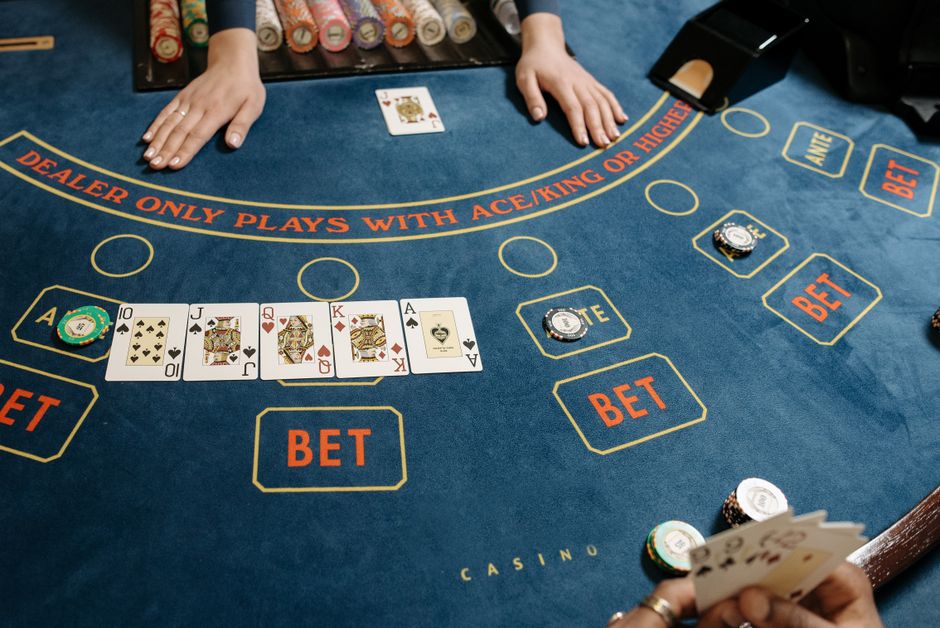
Poker is the one iGaming vertical where long-term winners exist. But it’s not about bluffing like Jason Statham in Rounders. It’s about bankroll management, position, and reading ranges. If you’re new, start at micro-stakes ($0.01/$0.02 blinds). Buy in for 100 big blinds ($2) and play tight-aggressive. Fold 80% of hands from early position; play more from the button. The goal isn’t to win every pot—it’s to make +EV (positive expected value) decisions repeatedly.
Concrete example: You hold A♠ K♠ on the button. A loose player raises from middle position. You 3-bet to isolate. The flop comes Q♠ 7♦ 2♠. You have a nut flush draw and two overcards—that’s roughly 50% equity against a pair of queens. Betting here is profitable because you have fold equity plus drawing outs. That’s the math behind the aggression.
- Track your results—use a free tracker like PokerTracker or just a spreadsheet.
- Study one concept per week (e.g., c-bet frequencies, 3-bet ranges).
- Avoid tilt: if you lose three buy-ins in a session, stand up. The game will still be there tomorrow.
Remember: Online poker is tougher than live $1/$2 at your local casino. The fish are fewer, but the rewards for skill are real.
The Unsexy Truth: Limits, Licensing, and Longevity
iGaming can be a blast—social, thrilling, and occasionally profitable. But the house always has an edge in casino games, and sports betting is a grind. The players who last are the ones who set deposit limits (most licensed sites let you do this in account settings), take breaks, and never bet money they need for bills. Look for operators licensed by reputable bodies like the UKGC, MGA, or state gaming boards. Unlicensed sites may offer better bonuses but vanish with your funds.
Finally, treat iGaming as entertainment, not income. If you spend $50 on a night of slots and get two hours of excitement plus a few near-misses, that’s a fair trade—same as a movie ticket and popcorn. The moment it stops being fun, walk away. The smartest players aren’t the ones who win the most; they’re the ones who still enjoy the game six months later.

Slot Volatility Explained: Why Big Wins Are Not Always Better
Two players spin the same online slot for an hour with the same bankroll and the same bet size. One walks...

How to Carve Rubber Stamps for Repeating Motifs on Fabric
Carve a simple rubber stamp, load it with fabric ink and print evenly spaced repeats onto cotton or linen...
About Us